
Finned tubes improve heat transfer by increasing the available surface area between a tube and the surrounding air or process medium. This makes them widely used in heat exchangers, condensers, air coolers, waste heat recovery systems, and other industrial thermal equipment.
For modern industries, the goal is not simply to transfer heat. Engineers also need to improve energy efficiency, recover usable heat, control equipment size, and maintain reliable operation under demanding conditions.
HEFT Engineers Pvt. Ltd. manufactures advanced G Type, L Type, Double L (LL), extruded, longitudinal, and customized finned tubes for these requirements.
Its engineered heat transfer solutions support power generation, oil & gas, petrochemical, chemical, fertilizer, steel, marine, and industrial manufacturing applications, with a growing export presence in the UAE, Saudi Arabia, and Qatar.
Finned tubes are important in modern heat transfer because they provide a much larger external surface area than conventional bare tubes. This additional surface allows more heat to be transferred without requiring a proportional increase in tube size or equipment footprint.
The technology is especially useful when the surrounding air or gas provides greater resistance to heat transfer than the fluid flowing inside the tube.
In practical industrial systems, finned tubes can help support:
The primary function of a fin is to extend the effective heat transfer surface of the tube. Heat moves through the tube wall and into the fin before being transferred to the surrounding medium.
This makes the fin-to-tube connection an important part of overall performance. A well-engineered fin structure must provide effective thermal contact while maintaining mechanical integrity during operation.
Fin geometry also matters. Factors such as fin height, thickness, spacing, material, and tube diameter can influence heat transfer performance, airflow, pressure drop, and equipment requirements.
Industrial facilities often need high heat transfer performance within limited installation areas. Finned tubes help address this challenge by increasing heat transfer surface without relying solely on longer or larger bare tubes.
The appropriate design depends on the actual operating conditions rather than surface area alone.
Engineers may need to evaluate:
This application-based approach helps ensure that the finned tube construction matches the thermal and mechanical demands of the equipment.
Finned tubes are also important in heat recovery because they can help capture thermal energy that would otherwise be lost from an industrial process. The recovered heat can then be transferred to another fluid or process stream for productive use.
This principle is particularly valuable in:
Better heat recovery can reduce unnecessary energy losses and improve the overall efficiency of an industrial facility. For power generation and process industries, this makes finned tube technology an important part of broader energy optimization strategies.
Different industrial environments require different finned tube designs. Temperature, corrosion, mechanical stresses, heat transfer requirements, available space, and operating conditions can all influence the most suitable construction.
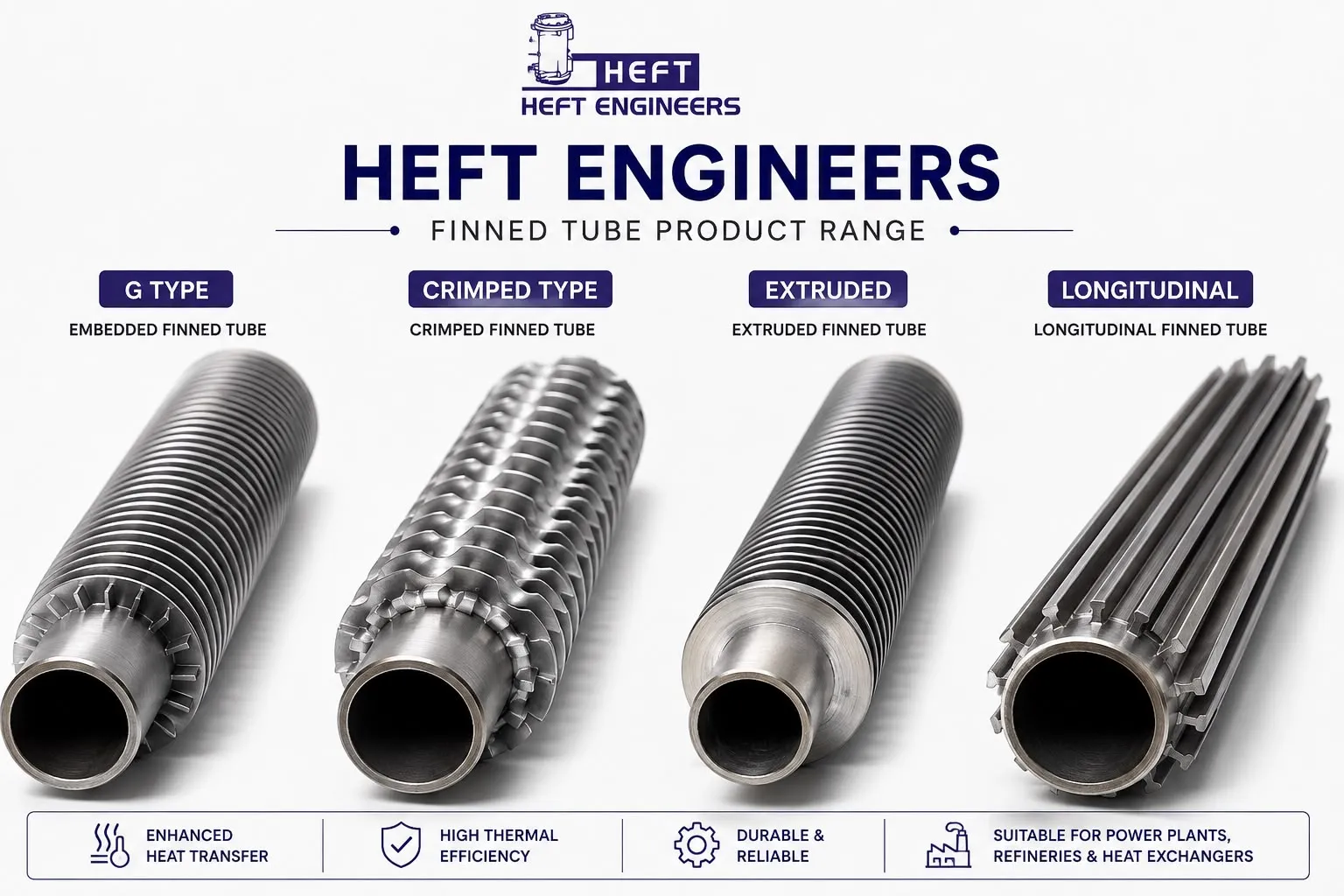
HEFT Engineers manufactures several configurations, including G Type embedded, L Type, Double L (LL), extruded, longitudinal, and customized finned tubes. Each design can address a different combination of thermal performance and application requirements.
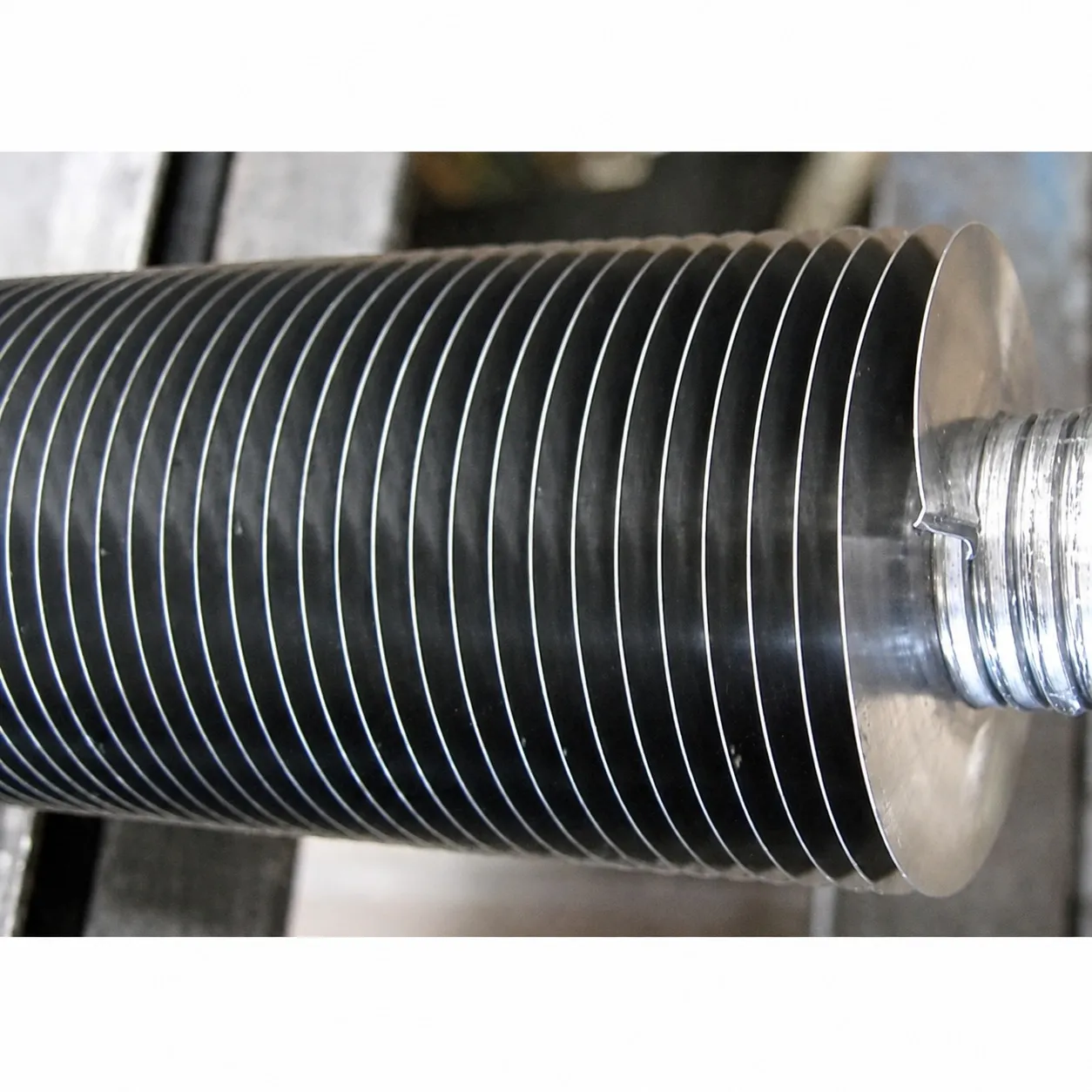
G Type embedded finned tubes use a fin mechanically embedded into a groove formed in the base tube. This creates a secure fin-to-tube connection and provides an extended heat transfer surface for demanding applications.
HEFT Engineers manufactures G Type embedded finned tubes for applications with operating temperatures of up to approximately 415°C, depending on the selected materials, construction, and service conditions. For applications requiring this type of embedded construction, G Type Embedded Finned Tubes provide a specialized extended-surface heat transfer option.
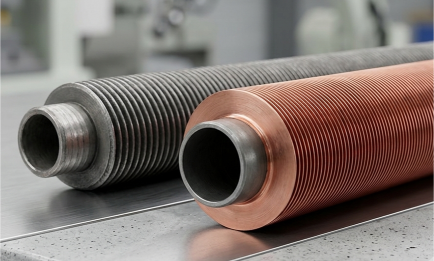
L Type finned tubes use an L-shaped fin foot wrapped around the outside surface of the tube. This creates additional heat transfer area while maintaining a relatively straightforward and economical finning configuration.
HEFT Engineers specifies L Type finned tubes for applications with operating temperatures up to approximately 175°C, subject to the selected construction and operating environment. This makes L Type Finned Tubes relevant where extended surface heat transfer and cost considerations need to be balanced.
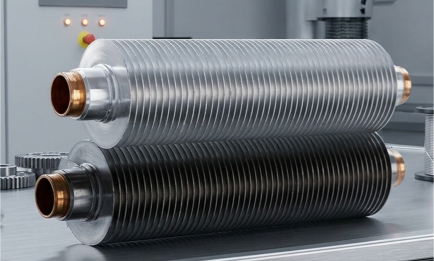
Extruded finned tubes use an extruded fin structure around the base tube and can be manufactured in mono-metallic or bi-metallic configurations. They are used in applications including power plants, condensate systems, chemical and petrochemical facilities, refrigeration, and industrial equipment, where extruded finned tubes can provide an engineered extended heat transfer surface.
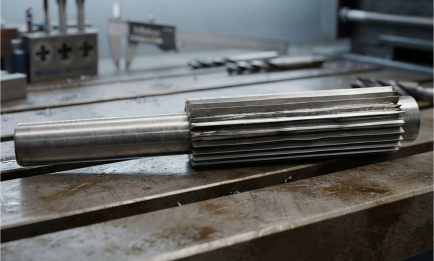
Longitudinal finned tubes use fins that run along the length of the tube and are suited to specific heat exchanger and process configurations. HEFT Engineers manufactures longitudinal finned tubes using welding processes designed to provide a secure fin-to-tube connection for appropriate industrial applications.
Advanced finned tubes help power plants improve heat transfer, recover waste heat, and maintain efficient thermal operation across demanding equipment. Their extended surface design is particularly useful where large quantities of heat must be transferred while equipment size, energy consumption, and operating reliability remain important considerations.
From combined cycle plants to thermal power stations and cogeneration facilities, finned tube technology can support different stages of energy conversion and heat recovery. The right design depends on the temperature, fluid conditions, heat duty, space limitations, and equipment configuration.
Finned tubes are used in power generation systems where efficient heat transfer is essential to plant performance. They can form part of heat recovery and cooling equipment that transfers thermal energy between process streams, air, water, or other working fluids.
In combined cycle power plants, effective heat recovery is especially important because exhaust heat from gas turbine operation can be recovered rather than simply rejected. Properly designed heat transfer surfaces can help improve the utilization of available thermal energy.
Waste heat recovery systems capture heat from exhaust gases or other high-temperature process streams and transfer it for useful purposes. Finned tubes can provide the extended surface needed to improve this transfer, particularly in applications involving gas-side heat transfer.
In cogeneration facilities, recovered heat can support steam generation, process heating, or other useful thermal requirements. This allows more of the energy entering the facility to be converted into productive output rather than being lost.
The value of finned tubes in power generation extends beyond heat transfer alone. Their performance can influence how effectively a plant recovers energy, manages temperatures, and operates its thermal equipment over long service periods.
Depending on the application, finned tube solutions can contribute to:
By combining suitable fin geometry, materials, tube construction, and manufacturing precision, heat transfer equipment can be engineered around the actual operating conditions of a power generation facility.
Finned tubes are used across oil & gas, petrochemical, chemical, fertilizer, steel, marine, and other heavy industries where reliable heat transfer is essential to process performance. These industries often operate under high temperatures, continuous production cycles, corrosive environments, and demanding thermal conditions.
The right finned tube design helps equipment transfer or remove heat efficiently while maintaining the mechanical reliability required for long-term industrial service.
Oil & gas and petrochemical facilities rely on heat transfer equipment for process cooling, condensation, heat recovery, and temperature control. Finned tubes can provide the extended surface required for efficient heat transfer in equipment handling gases, liquids, and process streams.
Application conditions can vary significantly across refineries and petrochemical plants. Temperature, pressure, fluid composition, corrosion exposure, and required thermal duty therefore need to be considered when selecting the appropriate finned tube construction.
Chemical and fertilizer plants require controlled heat transfer across processes such as heating, cooling, condensation, evaporation, and thermal recovery. Finned tubes can support these requirements where increased surface area is needed within practical equipment dimensions.
Material selection becomes particularly important in these environments. The tube and fin materials need to be selected according to operating temperature, chemical exposure, corrosion conditions, and expected service life rather than thermal performance alone.
Marine and steel industries also depend on dependable heat transfer for cooling, process control, energy recovery, and thermal management. Equipment in these sectors can face demanding operating environments where durability and consistent performance are critical.
For these applications, customized finned tube solutions can help address specific combinations of temperature, space, material, fin configuration, and heat transfer requirements. This application-focused approach allows heat transfer equipment to be designed around actual operating conditions rather than a standard configuration.
The next generation of finned tubes is not defined by fin quantity alone; it is defined by how effectively the complete tube, fin, material, and manufacturing design works under real operating conditions. Precision engineering helps optimize heat transfer while maintaining mechanical strength, thermal contact, corrosion resistance, and service reliability.
For industrial applications, even small differences in construction can influence equipment performance over years of operation. This makes manufacturing quality and application-specific engineering important parts of modern finned tube technology.
The connection between the fin and base tube is critical because heat must move effectively from the tube wall into the extended fin surface. Poor or inconsistent contact can reduce thermal effectiveness and affect long-term performance.
Different manufacturing methods, including embedded, extruded, and welded fin constructions, provide different approaches to achieving the required fin-to-tube connection. The appropriate method depends on the application, operating temperature, materials, and mechanical requirements.
Material selection directly affects how a finned tube performs in a particular industrial environment. Base tubes and fins may require different material characteristics depending on temperature, corrosion exposure, thermal conductivity, mechanical strength, and process conditions.
Common material considerations can include:
Selecting materials based on actual service conditions can improve reliability and help extend the useful operating life of heat transfer equipment.
Industrial heat transfer systems often have application-specific requirements that cannot be addressed effectively through a single standard finned tube design. Tube dimensions, fin geometry, fin density, materials, length, and manufacturing method may all need to be adapted to the equipment.
This is why customization should focus on the complete operating requirement rather than one performance parameter. A well-engineered solution considers heat transfer duty, temperature, pressure, corrosion, maintenance, equipment space, and expected service life together.
The future of industrial heat exchange is moving toward more efficient, compact, reliable, and application-specific heat transfer systems. Advanced finned tubes will continue to play an important role because they allow engineers to increase heat transfer area while adapting tube and fin construction to demanding operating conditions.
For industries focused on energy efficiency and sustainability, the value of heat transfer technology extends beyond equipment performance. Better thermal management can help plants recover more usable energy, reduce avoidable heat losses, and operate their processes more efficiently.
Better heat recovery allows industrial facilities to capture thermal energy that would otherwise be discharged into the environment. Finned tubes can provide the extended heat transfer surfaces required to transfer this energy efficiently between hot process streams and useful fluids.
This becomes particularly important in systems such as:
The objective is to make greater use of the energy already available within an industrial process instead of continuously requiring additional energy input.
Improved heat recovery and thermal efficiency can support efforts to reduce unnecessary fuel and energy consumption. When a process uses available thermal energy more effectively, it can potentially reduce the amount of additional energy required to achieve the same operational output.
However, efficiency improvements depend on the complete system design. Finned tube geometry, material selection, heat exchanger configuration, operating conditions, maintenance, and process requirements must work together to achieve reliable long-term performance.
This makes engineering precision increasingly important as industries work toward:
The future of finned tube technology is not simply about producing more extended surface area. It is about designing the right combination of fin geometry, tube material, bonding method, dimensions, and configuration for the application.
As industrial processes become more energy-conscious and technically demanding, customized heat transfer solutions will become increasingly valuable.
HEFT Engineers Pvt. Ltd. continues to develop and manufacture engineered finned tube solutions for industries requiring dependable heat transfer performance. Its range includes G Type, L Type, Double L (LL), extruded, longitudinal, and customized finned tubes for applications across power generation, oil & gas, petrochemical, chemical, fertilizer, steel, marine, and industrial manufacturing.
With manufacturing capabilities in India and exports to markets including the UAE, Saudi Arabia, and Qatar, HEFT Engineers is positioned to support industrial customers seeking reliable and application-focused heat transfer solutions.
Director – Business Development & Strategy, HEFT Engineers Pvt. Ltd
Contact Number: +91 9769063942
Follow HEFT: HEFT Engineers on Instagram →